Fort Worth launches overnight speeding enforcement program to reduce deadly crashes on major highways across the city
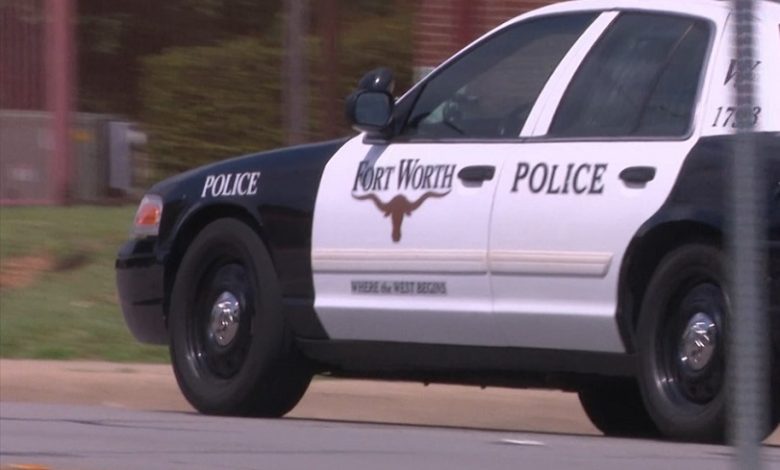
Fort Worth, Texas – The City of Fort Worth is partnering with the North Central Texas Council of Governments (NCTCOG) to launch a new traffic safety initiative aimed at reducing excessive speeding on some of the city’s busiest highways. Beginning Aug. 1, the pilot program will focus on increasing police enforcement during overnight hours, when serious and deadly crashes are most likely to occur.
City and regional transportation officials say excessive speeding remains the leading factor behind the most severe crashes across the Dallas-Fort Worth region. By increasing police presence in high-risk areas, they hope to reduce dangerous driving, prevent collisions, and ultimately save lives.
The initiative is part of the Regional Transportation Council’s (RTC) $57 million safety program, which includes $7 million specifically dedicated to projects designed to reduce speeding throughout North Texas.
Under the new program, the Fort Worth Police Department will conduct additional traffic enforcement along portions of Loop 820 and Interstate Highway 30. Officers will focus their patrols between 8 p.m. and 4 a.m., a period identified through crash data as one of the most dangerous times for drivers.
Data helped identify the most dangerous corridors
Transportation planners used detailed traffic information to determine where the program should begin.
NCTCOG analyzed roadways where vehicles frequently exceeded 80 miles per hour and compared those locations with records of fatal crashes. After identifying corridors with repeated speeding problems and high numbers of serious collisions, the agency sought partnerships with local law enforcement departments willing to test whether stronger police enforcement could improve roadway safety.
Fort Worth became the first city to join the regional initiative.
Officials say the pilot program has several objectives. Beyond reducing speeding, they hope it will lower the number of crashes, decrease injuries, and prevent traffic-related deaths. The information collected during the project will also help transportation officials decide whether similar programs should be introduced in other communities across North Texas.
“The Regional Transportation Council is committed to making our roadways safer through data-driven strategies and strong local partnerships,” said Natalie Bettger, senior program manager for congestion management and system operations at NCTCOG. “By working with the Fort Worth Police Department to increase enforcement along key corridors and when serious crashes are likeliest to happen, we’re taking a proactive approach to reducing speeding, preventing crashes and ultimately saving lives.”
Officials believe combining detailed traffic analysis with focused enforcement provides a practical way to address one of the region’s biggest roadway safety challenges.
Speeding continues to be a leading cause of deadly crashes
According to regional transportation data, driving too fast accounted for 34% of all serious and fatal crashes on area highways during 2025.
Although officials say the numbers remain concerning, they also noted encouraging progress across the region. Between 2023 and 2025, the 12-county Dallas-Fort Worth area experienced an approximately 15% decline in highway fatalities.
Transportation leaders hope the new enforcement initiative will continue that positive trend by discouraging dangerous driving behaviors before they lead to crashes.
Fort Worth Police Chief Eddie Garcia said the department is committed to improving roadway safety through partnerships that focus on preventing tragedies.
“The Fort Worth Police Department is proud to partner with the North Central Texas Council of Governments and Regional Transportation Council on this important safety initiative,” Garcia said. “Targeted enforcement in high-risk corridors helps us address dangerous driving behaviors, while reinforcing our commitment to protecting everyone who travels on Fort Worth’s roadways. We look forward to participating in this pilot program and using the results to enhance traffic safety across our community.”
The pilot program will remain in place for 90 days, after which officials will review the results and determine whether adjustments are needed. The evaluation will examine whether increased police visibility helped reduce speeding, collisions, injuries, and fatalities on the selected roadways.
If the effort proves successful, NCTCOG and the Regional Transportation Council plan to explore expanding the strategy to additional cities throughout North Texas.
The Regional Transportation Council has served as the Metropolitan Planning Organization for the Dallas-Fort Worth area since 1974, coordinating transportation planning across Collin, Dallas, Denton, Ellis, Hood, Hunt, Johnson, Kaufman, Parker, Rockwall, Tarrant, and Wise counties. Its 45-member policymaking body works alongside transportation providers and local governments to address the needs of one of the nation’s fastest-growing metropolitan regions.
Officials say the new partnership with Fort Worth represents another step toward creating safer highways by combining data-driven planning with targeted law enforcement, helping protect everyone who travels through the region.